
 So recently I've started reading "Living Dolls" by Natasha Walter.
Now, I'm not a feminist, but this book raises some really great points about the growing hyper-sexuality of our time and the pressure on young girls to be super feminine, taking on extreme dieting and grooming routines in order to be successful.
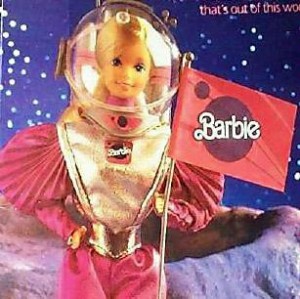
Back in the day, Barbie was the doll of choice, and although she was often criticized for her unrealistic body, she was also admired for her aspirational qualities. She could be a pilot, an astronaut, the president, and she could look good doing it.
 In 2001 a new series of dolls emerged and by 2004, began outselling Barbie in the UK. These dolls were called "Bratz" dolls, and they were all about all night mall parties and getting wild in Vegas. Margaret Talbot of The New Yorker describes the brats as having "large heads and skinny bodies; their almond-shaped eyes are tilted upward at the edges and adorned with thick crescents of eyeshadow, and their lips are lush and pillowy, glossed to a candy-apple sheen and rimmed with dark lip liner. They look like pole dancers on their way to work at a gentlemen’s club."
Margaret's full article can be found here and I found it very insightful, albeit a little long winded.
This all relates to the messages that are becoming more and more prominent in society. That a woman has to use her sexual prowess to become empowered, and that it is no longer desirable to achieve success through academic work or gaining positions of influence or power.
It seems that the majority of us concerned with this trend too, as there are a vast amount of blogs and comments sprawled over the internet speaking against bratz dolls and primary school kids wearing mini skirts while texting thier boyfriends on their own cellphones.
This all relates to my project through the connection between what ideals are being placed on females, and what they really want to do. It's about the tug of war between the private ideals and aspirations of the individual, and the public expectations of grooming and sexual exploitation, and how this all plays on the female mind. How failing to achieve the hyper-sexual ideal can result in loneliness and alienation, even if the individual is successful in their career or academic pursuits, and how fitting the ultra-feminine ideal really can open doors and bring social approval.
This is also about questioning the progress of society and sexual equality when such things are happening. Is sexism starting to move backwards into a dark ages? Will women once more be seen as mere sexual objects of desire or wives to produce children? And whats more, will it be the women who condemn themselves to this through aspirations of sexuality rather than financial and academic success?
The future of femininity...
This?


Or That?


 There is a sadness to all of her images as all her subjects hold a certain shallowness and disregard for inherent human beauty. Their achievements are unnatural, unnecessary, and seemingly only to impress other people.